
When my friend lost her dog of fourteen years, people said the weirdest things to her. “You can always get another one.” “At least he’s in a better place.” “It was just a dog.” She stopped answering her phone for a while. She loved the people calling. She just couldn’t handle one more person trying to fix something that wasn’t fixable.
Most people want to help. They just don’t know how. The instinct to console is strong but the execution is often terrible. So if you’re watching someone you care about go through pet loss right now and you’re not sure what to do, you’re already ahead of everyone who hasn’t even stopped to wonder. Here’s what actually lands and what you’re better off skipping.
What do you say when someone loses a pet?
Less than you think. That’s the honest answer.
The best thing anyone said to my friend came from her coworker who barely knew her. He stopped by her desk and just said “Max was a good dog. I’m really sorry.” That was it. She still remembers it, years later, because it was true and it was short and it didn’t ask anything of her.
“I’m so sorry” works. “I know how much you loved him” works. “Tell me about her if you want to” works. These are doors you leave open that the grieving person can walk through or not. No pressure.
What doesn’t work: anything that starts with “at least.” Anything that compares their loss to something else. Anything that suggests a timeline. Anything that pivots to your own pet loss story unless they explicitly ask. Your story about your cat who died in 2012 is not comforting right now. It’s just more weight in the room.
What are things people say that actually make pet grief worse?
So many things. Well-meaning people say them constantly.
“It’s just a dog.” We shouldn’t have to explain why this is cruel, but here we are. That animal was there for breakups and moves and bad jobs and lonely Saturday nights. That animal was the one consistent warm body in the house for over a decade. It’s not just a dog. It’s a family member and the grief is real.
“You can always get another one.” Said too soon, this lands like being told your child is replaceable. People know they can get another pet. That’s not the point. The point is this pet, this one, with her specific weird habits and the way she slept on the left side of the bed, is gone.
“At least he’s not suffering anymore.” True, probably. Still not helpful in the acute phase. What the person hears is “you should be relieved” and they’re not relieved, they’re devastated, and now they feel guilty about not being relieved.
Any version of “I know how you feel” is risky. You don’t. You know how you felt when you went through something similar. Different person, different pet, different relationship. Let their grief be its own thing.
What practical things actually help a grieving pet owner?
Don’t ask “what can I do?” They don’t know. They can barely decide what to eat. Just do something specific and low-effort for them to accept.
Drop off dinner. Not “let me know if you want me to bring something.” Just text “I’m leaving a lasagna on your porch at 6.” They can grab it or not. No social obligation.
Walk their other dog. If they have a second pet, that animal still needs exercise and the owner might be too shattered to do it. Show up and take the dog for a walk. Don’t make it a visit. Don’t linger unless invited.
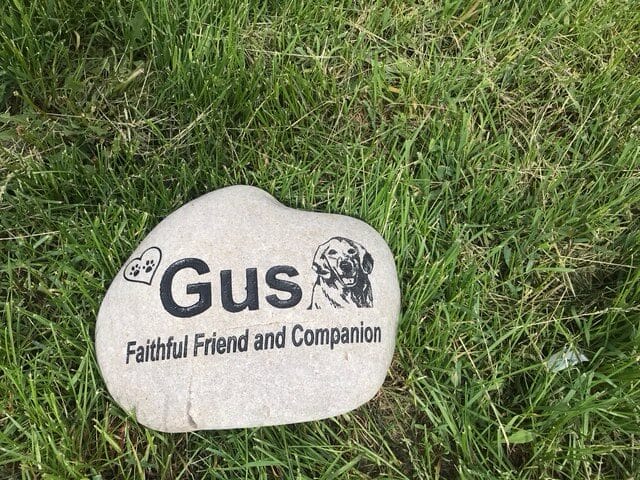
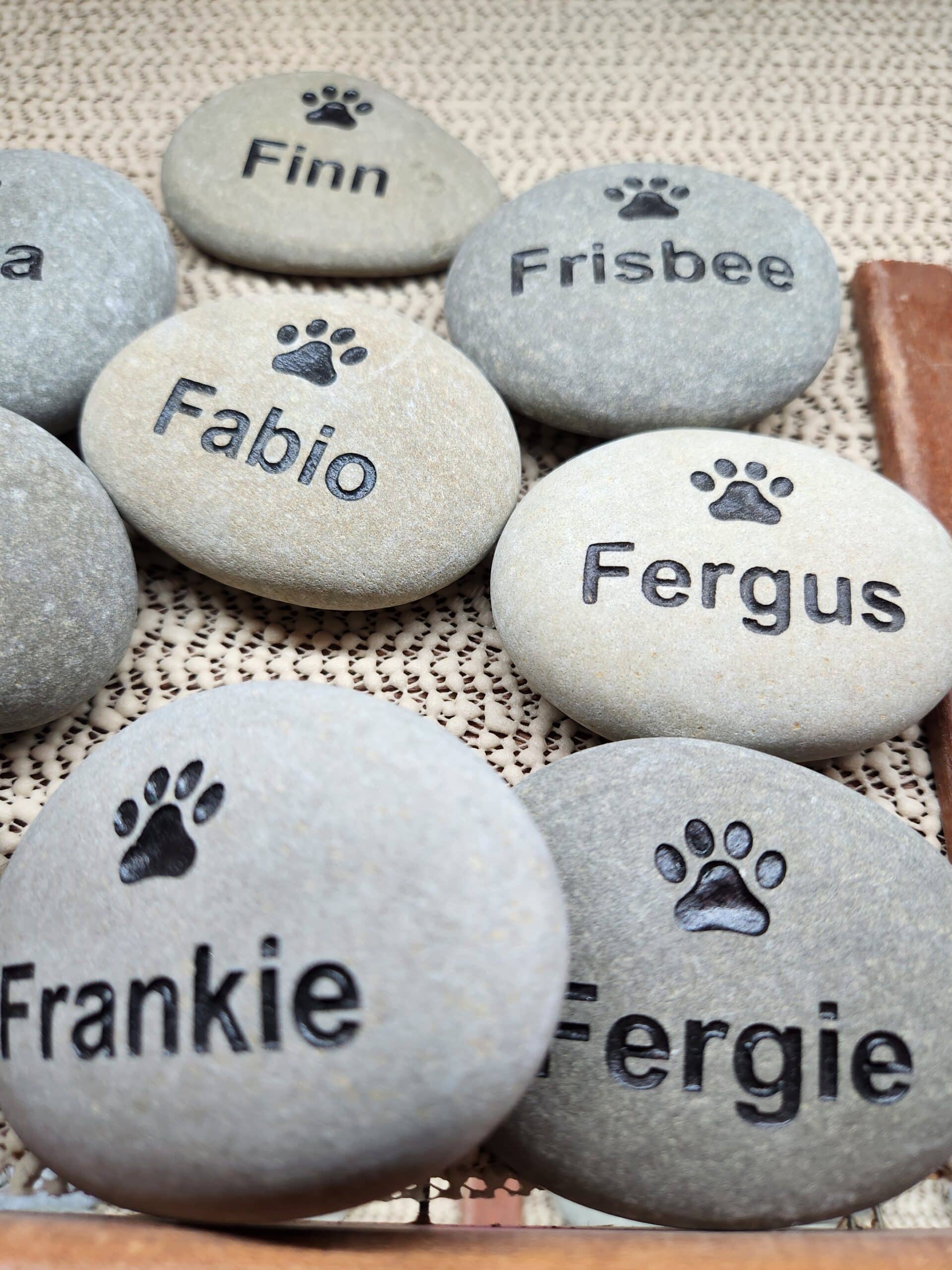
Send a memorial gift that doesn’t demand a thank-you note. An engraved pet memorial stone left on the porch. A small plant. A donation to a shelter in the pet’s name. Something tangible that says “this loss is real and I see it.” No card required, no response expected.
Remember the anniversary. Set a calendar reminder for a month out, six months out, a year out. Send a text that just says “thinking about Max today.” Grief is loneliest after everyone else has moved on. Being the person who remembers is a quiet kind of heroism.
What if they’re not a dog person? What about cats and other pets?
The grief is the same. The dismissal from other people is often worse.
Cat owners, bird owners, rabbit owners, reptile owners: they all hear some version of “it’s not like it was a dog” and it stings every time. The bond isn’t about the species. It’s about the years. The routines. The way that animal was woven into the fabric of daily life.
Treat the loss of any companion animal with the same gravity. A woman who lost her African grey parrot of thirty years isn’t grieving less than someone who lost a golden retriever. She’s grieving thirty years of someone saying good morning to her.
How long does pet grief last and when should you worry?
Longer than most people think. And there’s no schedule.
Some people are functional after a week and just carry a low-grade sadness for a year. Others can’t get off the couch for a month. Both are normal. The acute phase where it’s hard to function usually eases after a few weeks, but waves of intense grief can hit months later when they find a toy under the couch or come home to an empty house after a trip.
What’s not normal: not being able to function at all after several months. Not eating. Not leaving the house. Feeling like life has no meaning without the pet. That’s complicated grief and it needs professional support, not just a friend with a casserole. There’s no shame in that. Grief counseling exists for a reason.
As a friend, your job isn’t to fix it or speed it up. It’s to stay. To check in without needing a reply. To not disappear when the subject gets heavy. That’s the whole thing. You don’t have to be an expert. You just have to not leave.
Frequently asked questions
Should I send flowers or a gift?
A gift, yes. Flowers die, and watching something else die right after losing a pet can land wrong. An engraved memorial stone, a custom ornament, a donation to an animal rescue, even just a handwritten note: something permanent or consumable. Something that doesn’t create another chore.
Is it okay to ask what happened?
Only if they bring it up first. Some people want to tell the whole story. Others can’t talk about it without breaking down. Follow their lead. If they mention the vet or the illness, you can gently ask for more. If they don’t, leave it alone. The details are theirs to share or not.
What if I said the wrong thing already?
Apologize simply and move on. “I think I said something dumb the other day. I’m sorry. I just want you to know I’m here.” That’s all. Don’t over-explain. Don’t make them manage your guilt about your misstep. Clean it up and go back to being present. They’ll appreciate the repair more than the original fumble.
Grief is just love with nowhere to go. The best thing you can do is be a place where that love is still welcome.